What Are the Common Applications of Wire Mesh Fence in Construction?
Wire mesh fences have become a staple in modern construction projects due to their versatility, durability, and cost-effectiveness. From residential developments to large-scale industrial sites, wire mesh fencing serves multiple purposes, ranging from security and safety to aesthetic enhancement.
As a professional Chinese wire mesh manufacturer with a dedicated international trading platform, we provide insights into the most common applications of wire mesh fences in construction to help distributors, contractors, and project owners make informed procurement decisions.
1. Perimeter Security for Construction Sites
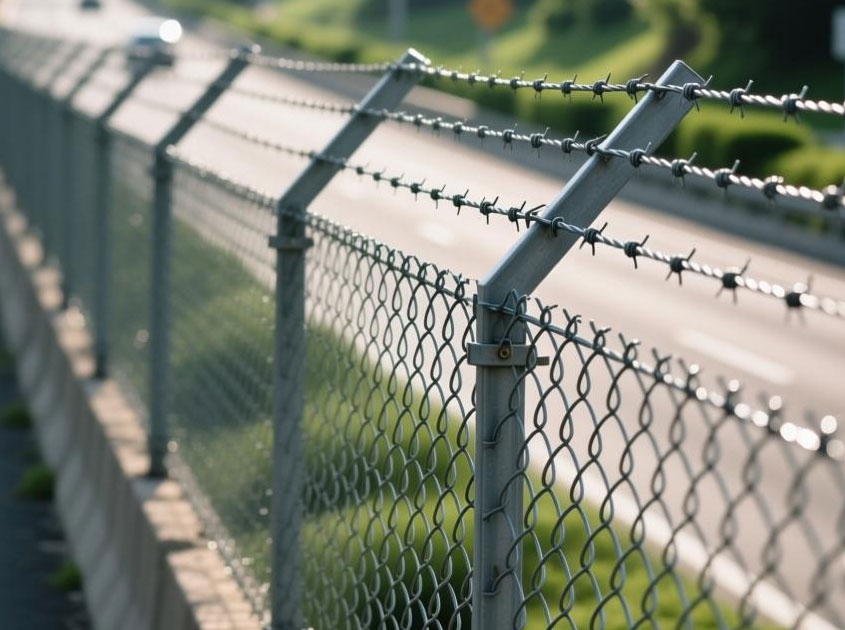
One of the primary applications of wire mesh fences in construction is site perimeter security. Construction areas often contain valuable equipment, materials, and machinery, making them susceptible to theft or unauthorized access.
Key advantages:
Quick installation: Panels or rolls can be set up rapidly to secure large areas.
Durable protection: Welded wire mesh or chain link fences withstand impact and environmental conditions.
Visibility: Provides clear visibility for security monitoring without compromising safety.
For construction companies, investing in reliable wire mesh fencing ensures both safety and regulatory compliance.
2. Safety Barriers Around Hazardous Areas
Construction projects frequently include hazardous zones such as trenches, machinery areas, or high-rise scaffolding. Wire mesh fences act as safety barriers, reducing the risk of accidents.
Applications include:
Fencing around deep excavations or pits
Barriers near heavy machinery and storage areas
Temporary enclosures for scaffolding and elevated platforms
High-strength welded wire mesh with small mesh openings is preferred for high-safety zones, preventing accidental entry by workers or pedestrians.
3. Reinforcement in Concrete Structures
Wire mesh fences, especially welded wire mesh panels, are commonly used as reinforcement in concrete slabs, walls, and columns. This is a structural application rather than a traditional fencing use.
Benefits include:
Improved tensile strength and load distribution
Reduced cracking and structural deformation
Easy integration into concrete formwork
Concrete reinforcement mesh is essential in residential buildings, commercial complexes, and infrastructure projects, offering durability and long-term stability.
4. Temporary Fencing for Project Phases
Construction projects often require temporary fencing solutions to manage site boundaries, control access, and organize construction phases.
Advantages of temporary wire mesh fencing:
Reusable and modular panels
Cost-effective for short-term projects
Flexible design for changing site layouts
Chain link fences are particularly popular for temporary setups due to their flexibility and ease of installation.
5. Landscaping and Residential Enclosures
Beyond industrial applications, wire mesh fences are widely used in residential construction for garden fences, property boundaries, and community safety.
Features:
Aesthetic appeal with powder-coated or PVC-coated finishes
Multi-purpose use for pets, children, and garden security
Compatibility with decorative panels or trellis systems
High-quality decorative welded wire mesh is increasingly adopted in luxury residential projects, combining function and visual appeal.
6. Industrial and Infrastructure Fencing
In large-scale industrial construction, wire mesh fences are essential for safeguarding factories, warehouses, and infrastructure projects.
Common applications:
Perimeter fencing for factories and power plants
Airport and transportation infrastructure security
Road construction site barriers
Oil, gas, and utility plant enclosures
High-security welded wire mesh with anti-climb features is preferred for sensitive and critical infrastructure projects.
7. Noise and Dust Control in Urban Construction
Wire mesh fences can be integrated with noise reduction panels or protective covers to control dust and noise in urban construction sites.
Benefits include:
Compliance with environmental and municipal regulations
Protection for nearby residents and pedestrians
Temporary or permanent solutions for long-term projects
Urban construction projects increasingly require such multifunctional fencing solutions.
8. Safety and Traffic Management
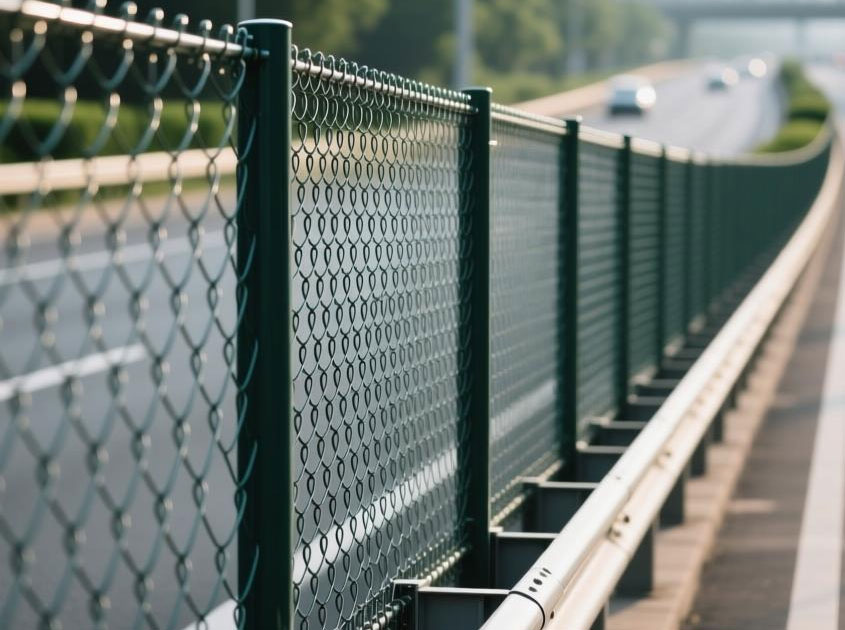
Wire mesh fences are also used to manage traffic flow around construction sites, especially in road and highway projects.
Applications:
Pedestrian diversion barriers
Temporary vehicle guidance fencing
Segregation between active construction zones and public roads
This not only ensures worker safety but also minimizes liability for contractors.
Conclusion
Wire mesh fences are a versatile and indispensable solution in construction, serving purposes ranging from perimeter security and worker safety to concrete reinforcement and urban environmental protection.
Common construction applications include:
Perimeter security for construction sites
Safety barriers around hazardous areas
Concrete structure reinforcement
Temporary project fencing
Residential and landscaping enclosures
Industrial and infrastructure protection
Noise and dust control in urban environments
Traffic and pedestrian management
Partnering with a professional Chinese wire mesh manufacturer ensures access to high-quality, customizable, and cost-effective fencing solutions suitable for various construction scenarios. By selecting the right wire mesh product for each application, project owners can achieve enhanced safety, durability, and compliance, while minimizing maintenance costs and operational risks.
Latest News
Hot rolled coil slitting enhances efficiency through automated uncoilers and rewinders. Key methods include precision tension control, edge guidance systems, and IoT integration. These optimizations reduce downtime, improve material yield, and ensure high-quality slit coils for automotive and machinery industries.
2025-09-19
Cold rolled coil is essential in home appliance manufacturing. It expertly combines thin gauge for lightweight, energy-efficient designs with high strength from optimized steel processing. This balance enables durable, high-performance appliances like refrigerators and washing machines, supporting industry trends towards sustainability and advanced production.
2025-09-17
Aluzinc coil offers exceptional corrosion resistance and weathering properties, making it ideal for photovoltaic mounting systems. Wholesale prices depend on material composition and market factors. Its applications in solar projects ensure durability and cost savings. Procurement should focus on certified suppliers and tailored specifications for optimal performance.
2025-09-11
The article discusses the selection and application of spring steel plates, like 65Mn, for automotive lightweighting. It covers heat treatment processes and key procurement considerations, emphasizing performance and durability in vehicle systems.
2025-09-08
The slitting process significantly impacts stainless steel strip material utilization. Optimizing techniques like precision cutting and smart layout planning boosts efficiency, reduces waste, and lowers production costs.
2025-09-05
Cost-Benefit Analysis of Aluzinc-Coated Steel vs. Galvanized Steel in Color Steel Tile Production
Aluzinc-coated steel offers superior corrosion resistance and longer service life than traditional galvanized steel, reducing long-term costs in color steel tile production. Despite higher initial prices, its durability and lower maintenance make it a cost-effective alternative. Manufacturers should evaluate environmental needs and lifecycle costs to choose between materials, ensuring optimal performance and competitiveness.
2025-09-03
CONTACT US
1-1-20, Free Trade Innovation Industrial Park, High-tech Industrial Development Zone, Shijiazhuang City, Hebei Province
GET A FREE QUOTE